Best Airbnb Locations in 2026: Where to List or Manage
By James Svetec · September 17, 2020 · 6 min read
Part of our Airbnb Hosting 101 guide →
Key Takeaways
- Domestic tourism continues to drive strong Airbnb demand across the United States in 2026
- The best Airbnb locations combine high guest demand with limited short-term rental supply
- Vacation destinations near major cities — think mountain towns, coastal escapes, and national park gateways — consistently outperform downtown urban cores
- You don't need to live in a top market to manage properties there — remote co-hosting is a proven model
- Always run the numbers on any market before committing — gut instinct alone isn't enough
Finding the best Airbnb locations is one of the most important decisions any STR host or investor will make in 2026. Pick the right market and a well-managed property can generate serious cash flow. Pick the wrong one and you're fighting low occupancy rates and razor-thin margins from day one.
Watch the full video above or keep reading for the complete breakdown.
Why Location Still Matters More Than Anything
Airbnb success isn't just about a beautiful listing or great reviews. Those things help, but they can't save a property in a market with weak demand. Location sets the ceiling on what's possible.
Travel patterns shift constantly. What worked as a top Airbnb market five years ago may have changed dramatically — new regulations, shifts in traveler preferences, or changes in supply can flip a market's profitability quickly. Staying current on which markets are actually performing is essential.
The good news: there's a clear, repeatable framework for identifying strong markets. It comes down to demand, supply, and the gap between the two.
Why the US Remains One of the Best Countries for Airbnb
The United States consistently ranks as one of the top Airbnb markets in the world — and in 2026, that hasn't changed. Americans collectively spend over $144 billion on tourism annually, making domestic travel an enormous and durable market.
A large population with significant spending power, a continent-spanning geography with diverse destinations, and a culture that prizes road trips and outdoor adventure all combine to make the US uniquely well-suited for short-term rentals.
Travelers increasingly prefer the privacy and space of an Airbnb over crowded hotel lobbies and shared hallways. That preference has only solidified in recent years. Hosts who position properties well in the right US markets are capturing a growing share of that $144 billion.
For those building a co-hosting business or considering their first STR investment, the US should be the starting point for market research. The data is more accessible, the regulatory landscape is more familiar, and the guest pool is massive.
The High-Demand, Low-Supply Formula
The single most important concept in STR market selection is the relationship between demand and supply. High demand alone isn't enough — if every property in the market is booked solid, new listings face stiff competition. What you want is a market where demand is strong and supply hasn't caught up.
Several factors can create this gap:
- A surge in traveler interest in a specific type of destination (outdoor, rural, coastal)
- Hosts exiting the platform in favor of long-term rentals during uncertain periods
- Geographic constraints that limit how many properties can realistically be listed
- New attractions, infrastructure, or events that drive demand without a corresponding increase in listings
When supply drops and demand holds steady — or rises — occupancy rates climb and nightly rates follow. That's exactly the dynamic that makes certain markets exceptional right now.
Pro tip: Use tools like AirDNA or Rabbu to measure the demand-supply gap in any market before investing time or money. Running a proper Airbnb investment analysis with real data takes less time than most people think and can prevent costly mistakes.
Best Types of Markets for Airbnb in 2026
Rather than pointing to a single zip code, understanding which types of markets perform well gives hosts a framework they can apply anywhere. Here are the categories consistently producing strong results.
Vacation Destinations Near Major Cities
The biggest opportunity right now isn't downtown in a major metro — it's in the smaller towns and getaway spots within 100-200 miles of population centers. Think of the relationship between a large city and its surrounding vacation destinations.
Los Angeles residents head to Joshua Tree. New Yorkers escape to upstate New York. Chicagoans drive to lake country in Michigan or Wisconsin. In each case, the urban population provides a massive, built-in demand base, and guests want somewhere accessible by car that feels like a genuine escape.
These peri-urban vacation destinations tick every box: high demand, relatively low supply compared to major metros, and guests who book longer stays because they're driving rather than flying.
Free Tool
Grab the Airbnb Nightly Pricing Tool
Grab the exact spreadsheet James uses to set profitable nightly rates — plus a step-by-step setup cheatsheet.
National Park Gateways
Properties near national parks are among the strongest performers in the current market. Campsite availability around major parks has been constrained for years, and travelers who want outdoor experiences but don't want to rough it are booking Airbnbs in gateway towns at premium rates.
Markets near Yosemite, Joshua Tree, Rocky Mountain National Park, and similar destinations are seeing sustained high occupancy. If a property is within reasonable driving distance of a major national park, that's a significant asset.
Outdoor and Mountain Destinations
States like Colorado, Tennessee, and Montana continue to see strong STR performance driven by outdoor recreation demand. Hiking, skiing, fishing, and camping draw guests who book multiple nights and return seasonally.
Mountain towns in Colorado have seen booking volumes jump year after year. The draw is obvious — dramatic scenery, outdoor activity, and a feeling of genuine escape from urban life. Researching the best Airbnb investing locations by outdoor recreation index is a smart filtering approach.
Warm-Weather Domestic Destinations
Florida remains a perennial top performer for US domestic travel. It's accessible by car from a large portion of the eastern population, the weather is predictable, and it appeals to a wide demographic range from families to retirees. Markets across Florida's Gulf and Atlantic coasts consistently post strong occupancy and nightly rates.
California coastal markets, Arizona, and parts of Texas also continue to perform well for similar reasons — accessible, warm, and well-established as domestic travel destinations.
Hosts exploring how different business models compare across market types should read this breakdown of Airbnb hosting vs. co-hosting vs. investing to understand which approach fits each situation.
How to Analyze a Market Before You Commit
Gut instinct is a starting point, not a strategy. Before committing to any market — whether listing your own property or approaching owners about co-hosting — run the numbers.
Here's a practical framework:
- Check occupancy rates: What is the average occupancy rate for comparable properties in the area? Anything consistently above 65-70% signals healthy demand.
- Analyze average daily rate (ADR): Higher ADR markets mean more revenue per booking, which matters for covering costs and generating profit.
- Count active listings: Is the market saturated, or is there room for another well-managed property?
- Look at seasonality: Does the market have year-round demand, or is it heavily seasonal? Seasonal markets can still be profitable, but cash flow planning is different.
- Research regulations: Some cities have tight STR restrictions. Always verify local rules before moving forward.
The mental exercise of asking
Frequently Asked Questions
What are the best Airbnb locations in the US in 2026?
The strongest markets in 2026 are outdoor and vacation destinations near major cities, national park gateway towns, and warm-weather domestic destinations like Florida and coastal California. Markets where demand is high and STR supply is limited offer the best opportunity for new and experienced hosts alike.
How do I find high-demand, low-supply Airbnb markets?
Use STR data tools like AirDNA or Rabbu to check occupancy rates, average daily rates, and active listing counts in any market. Look for areas with occupancy consistently above 65-70% and limited competition from other listings.
Do I need to live near a property to manage it on Airbnb?
No. Many successful co-hosts and STR investors manage properties entirely remotely using virtual assistants, local cleaning teams, and smart home technology. The key is building reliable local support teams in the markets you choose to operate in.
Are national park locations good for Airbnb in 2026?
Yes. National park gateway towns remain among the strongest STR markets in 2026. Campsites book up months in advance, outdoor travel demand stays high year-round, and guests booking near national parks tend to stay multiple nights at premium rates.
Is Florida still a good market for Airbnb hosting?
Florida remains one of the most consistently strong domestic travel markets in the US. Its warm climate, accessibility by car for a large portion of the eastern US population, and broad demographic appeal keep occupancy rates and nightly rates competitive across multiple Florida markets.
Picking the right market is step one — but knowing how to actually operate profitably in that market is what separates hosts who thrive from those who struggle. Whether you're considering managing properties remotely or building a full co-hosting business, connecting with experienced operators in a community like BNB Tribe can cut the learning curve significantly. And if you're ready to go deeper on the co-hosting model, BNB Mastery's Co-Hosting Program provides a proven framework for landing your first clients and scaling from there.
Free Tool
Grab the Airbnb Nightly Pricing Tool
Grab the exact spreadsheet James uses to set profitable nightly rates — plus a step-by-step setup cheatsheet.
Ready to get started with Airbnb?
Join 240+ members in BNB Tribe — the community James built for hosts and investors who want real results.
Join BNB TribeMore Articles
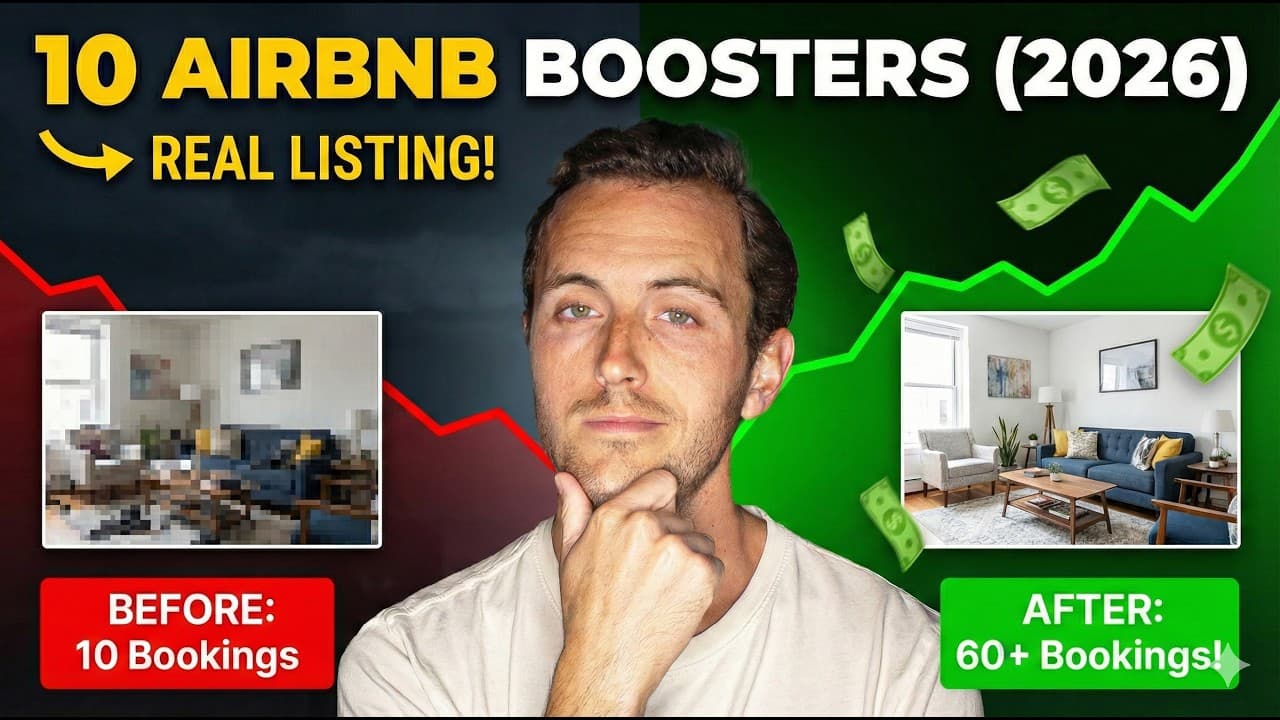
10 ESSENTIAL Steps to Improve Your Airbnb in 2026 (Real Listing Example!)
Most Airbnb listings lose bookings to the same fixable mistakes: bad photos, weak headlines, incomplete amenities, and missed seasonal opportunities. Here are 10 proven strategies to turn any underperforming listing into a consistent booking machine in 2026.
January 1, 2026 · 11 min read

10 Game-Changing Hacks to Improve Your Airbnb
What does it really mean to run a successful Airbnb in 2026? These 10 practical hacks — including a $15 sensor that prevented $44,000 in property damage — show exactly what separates top hosts from average ones.
January 16, 2025 · 9 min read

10 Tips to Get More Views on Airbnb
More views mean more bookings, and more bookings mean more revenue. This guide breaks down 10 actionable Airbnb listing optimization strategies that help hosts climb the search rankings and fill their calendars in 2026.
March 26, 2024 · 14 min read