Best Airbnb Locations Killing It in 2026
By James Svetec · February 23, 2021 · 8 min read
Part of our Airbnb Hosting 101 guide →
Key Takeaways
- Drive-to destinations within 1–3 hours of major cities are among the strongest Airbnb markets right now
- Nature-focused locations — mountains, national parks, lake country — consistently outperform urban properties
- Properties in markets like Colorado, Joshua Tree, and upstate New York are seeing record short-term rental revenue
- You don't need to live in a top market to profit from it — co-hosting lets you manage properties remotely
- Even downtown urban properties can perform well when optimized correctly for current traveler demand
Knowing which Airbnb locations are performing at the highest level can make or break a short-term rental investment — or a co-hosting business. Some markets right now are generating $10,000 to $30,000 per property per month, while others are fighting for scraps. Understanding why certain areas dominate helps hosts and investors make smarter decisions in 2026.
Watch the full video above or keep reading for the complete breakdown.
Why Location Still Determines Your Airbnb Success
Location has always mattered in real estate. In the short-term rental world, it matters even more — because demand shifts fast and the travelers booking today have very different priorities than they did five or ten years ago.
The core dynamic driving the best Airbnb markets right now is domestic leisure travel. People want to get away without complicated logistics. They want open space, fresh air, and a break from city routines. That desire isn't going away anytime soon.
The markets benefiting most from this shift share a few common traits: they're accessible by car, they offer something city dwellers can't get at home, and they have a clear draw — usually tied to nature or outdoor recreation. Properties in these areas are seeing occupancy rates and nightly rates climb simultaneously, which is the combination that produces serious revenue.
For a broader look at how the Airbnb business landscape has shifted, the breakdown of what's changed in the Airbnb market covers the key structural shifts hosts need to understand.
The Drive-To Market Opportunity
The single biggest trend reshaping Airbnb location performance is the rise of drive-to destinations. These are markets located roughly one to three hours outside of major metropolitan areas — close enough for a weekend trip, far enough to feel like a real escape.
When people feel constrained or want a quick reset, they're not booking international flights. They're loading up the car and heading somewhere they can actually breathe. That behavioral shift has been enormous, and the revenue numbers in these markets reflect it.
Properties north of Toronto in the Muskoka region are a clear example. Hosts in that area have reported single-month revenues of $10,000, $20,000, and even $30,000. That's not typical — but it's also not an outlier. It reflects what happens when a strong urban population has easy access to an appealing natural destination with limited accommodation supply.
The same pattern plays out across North America. City residents — in New York, Chicago, Los Angeles, Toronto, Denver — are actively looking for nearby escapes. Hosts and investors positioned in those surrounding areas are capturing enormous demand.
Top-Performing Airbnb Location Types in 2026
Rather than naming single cities, it's more useful to understand the profile of a high-performing Airbnb location. The best markets in 2026 typically share these characteristics:
- Within 1–3 hours of a major city — accessible without flying, ideal for weekend bookings
- Outdoor recreation draw — hiking, skiing, water activities, wildlife, national or state/provincial parks nearby
- Limited hotel supply — areas where traditional hospitality is scarce, making STRs the primary accommodation
- Scenic or unique setting — properties that photograph well and generate organic social sharing
- Year-round appeal — markets with both summer and winter seasons outperform single-season destinations
Markets that hit all five of these criteria consistently outperform urban and suburban markets by a significant margin. If you're evaluating a location for either an investment or a co-hosting opportunity, run it through this list first.
Investors specifically looking at how to evaluate STR market data before committing should check out this guide on Airbnb investment analysis using proper data.
Nature-Based Destinations Leading the Way
If there's one theme that defines the best Airbnb locations right now, it's nature. Properties near national parks, mountains, lakes, and wilderness areas are seeing demand levels that urban properties simply can't match at the moment.
Specific Markets Worth Watching
Colorado mountain towns — Areas near Rocky Mountain National Park, Breckenridge, Telluride, and similar destinations have seen both short-term occupancy and nightly rates climb. Guests come for hiking in summer and skiing in winter, giving hosts true year-round bookings.
Joshua Tree, California — This desert market exploded in popularity and hasn't slowed down. The unique landscape, proximity to Los Angeles, and strong social media appeal drive consistent demand. Properties with good design and outdoor spaces command premium rates.
Upstate New York — With millions of New York City residents looking for accessible escapes, markets in the Catskills, Hudson Valley, and Finger Lakes regions have seen remarkable growth. The density of the city creates a massive feeder market just a couple of hours away.
Muskoka and cottage country (Ontario) — Lakefront and wooded properties in Ontario's cottage country have produced some of the most impressive per-property revenue numbers seen in the Canadian STR market.
The pattern is consistent: a large urban population plus easy driving distance plus a strong nature draw equals high STR demand. Hosts who identified this equation early built significant income streams from it.
For hosts considering whether to invest in these markets or simply manage properties there through co-hosting, the comparison of Airbnb hosting, co-hosting, and investing is worth reading before deciding which model fits your situation.
Hosts who want to build a co-hosting business specifically in high-demand markets like these — without buying property — should look at BNB Mastery's Co-Hosting Program, which covers how to find property owners in top markets and land management agreements remotely.
Free Tool
Grab the Airbnb Nightly Pricing Tool
Grab the exact spreadsheet James uses to set profitable nightly rates — plus a step-by-step setup cheatsheet.
Don't Count Out Urban Markets Entirely
It would be a mistake to write off downtown and urban properties completely. They're not the top performers right now, but the best operators are still generating solid income from city-center listings.
A host in Halifax — not a major tourism powerhouse — was consistently bringing in around $4,000 per month on centrally located properties. That's not the $20,000 headline you might see from a Muskoka lakefront, but it's real income on properties that cover their costs and then some.
The key in urban markets is understanding who is still traveling to cities and optimizing specifically for them. Business travelers, medical travelers, people visiting family, attendees of conferences or events — these segments are still booking city properties. The listing, pricing strategy, and amenities all need to align with what those travelers actually want.
Urban properties also tend to have more stable, year-round demand compared to seasonal nature destinations. There are trade-offs in either direction. Smart operators know which type of market they're in and optimize accordingly rather than applying a one-size-fits-all approach.
How to Profit from Top Markets Without Moving
Here's where the opportunity opens up for hosts and investors who don't live near the best Airbnb locations. You don't have to relocate to capitalize on a hot market.
The co-hosting model makes it entirely possible to manage properties in high-demand areas — Colorado mountains, Joshua Tree, upstate New York, Muskoka — without ever living there yourself. Property owners in these areas often want professional management. They have valuable assets but no desire to handle guest communications, cleaners, maintenance coordination, or dynamic pricing.
That gap is where a co-hosting business fits. A skilled operator can manage these properties remotely using the right tools, systems, and local team members on the ground. The property owner wins because their asset is professionally managed. The co-host wins because they're earning a percentage of revenue from some of the best-performing STR properties in the country.
The revenue potential in these markets makes co-hosting there especially attractive. Managing a property generating $15,000 per month at a 20% management fee is $3,000 per month from a single unit. Three properties like that is $9,000 per month in management income without owning a single piece of real estate.
For investors who do want to own properties in top STR markets, the BNB Investing Blueprint provides a structured framework for analyzing deals and identifying which markets have the strongest fundamentals before committing capital.
Connecting with other hosts who are already operating in these markets is also invaluable. The BNB Tribe community includes operators from across North America who share market-specific insights, pricing strategies, and co-hosting tips that you won't find in generic real estate forums.
Optimizing Your Listing for Local Travelers
Getting into the right market is step one. Step two is making sure your listing actually converts the travelers coming into that market.
Domestic and local travelers searching for nature getaways have specific expectations. They're looking for:
- Outdoor spaces — decks, fire pits, hot tubs, or access to trails directly from the property
- Clear proximity to attractions — your listing description should name the parks, lakes, or ski areas nearby and how far they are
- Photos that sell the experience — sunrise over a lake, snow on mountains, fall foliage. These images are what triggers the booking decision
- Kid and pet-friendly features — local domestic travelers often travel with families and pets. Catering to that audience expands your potential guest pool significantly
- Pricing that reflects peak seasons — nature markets often have intense peak periods (summer weekends, ski season, holiday weeks). Dynamic pricing tools are essential here
The listing itself needs to speak directly to the getaway experience. Generic descriptions don't work. Guests should read your listing and immediately picture themselves there, relaxed, away from the city.
For specific tips on improving how your listing performs, the three Airbnb listing tips every host should implement covers the practical changes that actually move the needle on bookings.
The Bottom Line on the Best Airbnb Locations
The best Airbnb locations in 2026 share a clear profile: accessible from major cities, strong nature or outdoor recreation draw, and limited traditional hotel competition. Markets in Colorado, Joshua Tree, upstate New York, and Canadian cottage country are producing some of the highest per-property revenue in the entire STR industry.
Urban properties haven't disappeared — a well-optimized city listing can still produce $4,000 per month or more. But for hosts and investors looking for the highest growth potential, the rural and nature-adjacent markets are where the real opportunity sits right now.
The good news is that you don't need to live in these markets to profit from them. The co-hosting model and STR investing both offer clear paths to capturing the demand in top-performing locations from wherever you happen to be based.
Frequently Asked Questions
What are the best Airbnb locations in 2026?
The strongest Airbnb markets in 2026 are nature-focused, drive-to destinations within 1–3 hours of major cities. Areas near national parks, mountains, and lakes — like Colorado ski towns, Joshua Tree, and upstate New York — consistently outperform urban markets in revenue per property.
How much can you earn from an Airbnb in a top location?
Revenue varies widely, but properties in high-demand nature markets have generated $10,000 to $30,000 in a single month during peak seasons. Even well-optimized urban properties can bring in $4,000 or more per month when targeted to the right traveler segment.
Do you have to live near a top Airbnb market to profit from it?
No. The co-hosting model lets you manage properties in high-demand markets remotely, using local cleaning and maintenance teams on the ground. Many successful co-hosts manage properties in top vacation markets without ever living there themselves.
Are urban Airbnb markets still worth pursuing in 2026?
Yes, urban markets can still be profitable, but they require a sharper focus on who is actually traveling to cities — business travelers, medical travelers, event attendees — and listing optimization tailored to those guests. Expectations of urban performance need to be calibrated accordingly.
What makes a location a strong Airbnb market?
The strongest STR markets are typically within easy driving distance of a large city, offer a compelling outdoor or nature draw, have limited hotel supply, and attract guests year-round. Properties in markets that hit all these criteria tend to see both high occupancy and premium nightly rates.
Knowing which markets are winning is the first move. Acting on that knowledge is where most people stall. Whether you want to manage properties in high-performing nature markets through co-hosting or buy into one directly, the BNB Mastery Co-Hosting Program and the BNB Investing Blueprint each provide a clear, structured path forward — so you're not figuring it out alone.
Free Tool
Grab the Airbnb Nightly Pricing Tool
Grab the exact spreadsheet James uses to set profitable nightly rates — plus a step-by-step setup cheatsheet.
Ready to get started with Airbnb?
Join 240+ members in BNB Tribe — the community James built for hosts and investors who want real results.
Join BNB TribeMore Articles
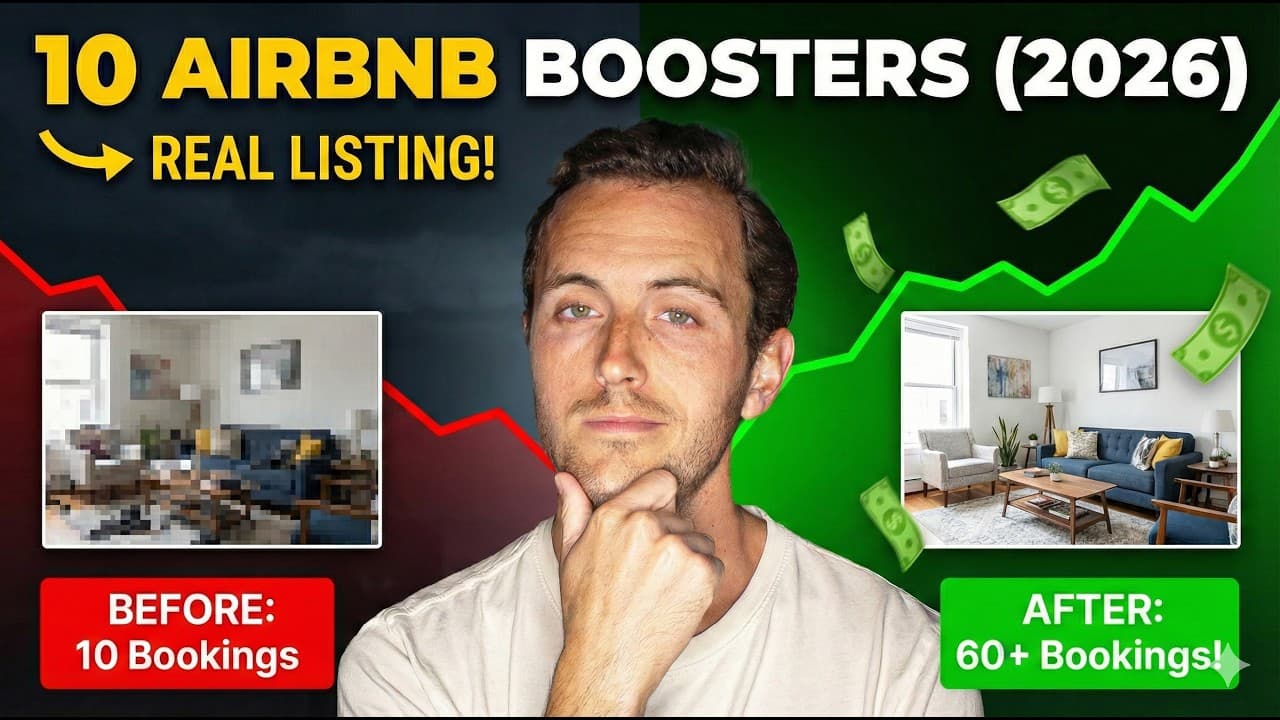
10 ESSENTIAL Steps to Improve Your Airbnb in 2026 (Real Listing Example!)
Most Airbnb listings lose bookings to the same fixable mistakes: bad photos, weak headlines, incomplete amenities, and missed seasonal opportunities. Here are 10 proven strategies to turn any underperforming listing into a consistent booking machine in 2026.
January 1, 2026 · 11 min read

10 Game-Changing Hacks to Improve Your Airbnb
What does it really mean to run a successful Airbnb in 2026? These 10 practical hacks — including a $15 sensor that prevented $44,000 in property damage — show exactly what separates top hosts from average ones.
January 16, 2025 · 9 min read

10 Tips to Get More Views on Airbnb
More views mean more bookings, and more bookings mean more revenue. This guide breaks down 10 actionable Airbnb listing optimization strategies that help hosts climb the search rankings and fill their calendars in 2026.
March 26, 2024 · 14 min read