9 Steps to Host from ANYWHERE in the World: The COMPLETE Host Guide (Part 2)
By James Svetec · April 10, 2025 · 3 min read
Part of our Airbnb Hosting 101 guide →
Key Takeaways
- Most hosts spend 15-20 hours per week managing their Airbnb — the right systems cut that to 1-2 hours
- AI guest communication tools like Bestie AI can automate 90% of guest messaging without losing the personal touch
- A keyless entry system with smart locks and a backup lockbox is the foundation of remote hosting
- Building a virtual team — cleaner, handyman, and VA — is what separates hands-on hosts from true business owners
- Documenting every process with SOPs, checklists, and video walkthroughs ties the entire automation system together
The steps to host from anywhere in the world aren't complicated — but most Airbnb hosts never put them into practice. Instead, they stay chained to their phones, answering guest questions at midnight and coordinating cleaners on their lunch break.
With the right automation stack, experienced hosts run profitable short-term rental portfolios while traveling full-time, spending as little as one to two hours per week on active management.
Watch the full video above or keep reading for the complete breakdown.
Why Airbnb Automation Changes Everything
Here's a number that should shock most hosts: the average Airbnb operator spends between 15 and 20 hours every week managing their listing. That's a part-time job — unpaid overtime, nights, and weekends included.
The frustrating part is that most of that time is wasted on repetitive, predictable tasks. The same check-in questions. The same checkout reminders. The same calls to the plumber about the same leaky faucet. None of it requires your personal attention. All of it can be systematized.
With the right tools and processes, hosts who manage multiple properties report getting their active time down to one to two hours per week. And the counterintuitive part? Guest satisfaction often improves because responses become faster and more consistent, not slower and more scattered.
The goal isn't to become a passive bystander in your own business. It's to build systems that handle the routine so you can focus on the decisions that actually move the needle — pricing strategy, property improvements, and expansion.
Whether you own one property or twenty, the same nine steps apply. Here's how to execute each one.
Free Tool
Grab the Airbnb Nightly Pricing Tool
Grab the exact spreadsheet James uses to set profitable nightly rates — plus a step-by-step setup cheatsheet.
Step 1: Automate Guest Communication
Guest messaging is the single biggest time drain for most Airbnb hosts. Multiply the same questions across multiple bookings —
Frequently Asked Questions
How many hours per week does it take to manage an Airbnb remotely?
With proper automation systems in place, experienced hosts report spending as little as 1-2 hours per week on active management. Without automation, the average host spends 15-20 hours per week — essentially a part-time job.
What smart lock do Airbnb hosts recommend for remote check-in?
The August smart lock is a popular choice among experienced hosts. It connects to your property Wi-Fi, allows unique guest codes tied to stay dates, and can be managed entirely from your phone — making it ideal for remote hosting in 2026.
How do I find reliable cleaners for my Airbnb without using Google?
Local Facebook groups are one of the most effective ways to find Airbnb-experienced cleaners. They tend to be more flexible, more familiar with short-stay turnovers, and more responsive than generic cleaning services found through search engines.
Is it possible to run an Airbnb business from anywhere in the world in 2026?
Yes — hosts who implement the right automation stack (AI guest messaging, smart locks, a reliable cleaning team, a virtual assistant, and remote monitoring tools) can manage their properties from anywhere. Many experienced operators travel full-time while their listings run on autopilot.
What is the most important first step to automating an Airbnb?
Most automation experts recommend starting with guest communication. Automating your message sequences — from booking confirmation through post-stay thank you — eliminates the most time-consuming daily task and delivers immediate results within the first week.
Building a self-running Airbnb isn't a distant goal — it's an engineering problem with known solutions. The hosts who crack it aren't more talented; they're more systematic. If you want to connect with other operators who are actively building these kinds of businesses, share what's working, and get answers when something breaks, the BNB Tribe community is where those conversations happen every day. Join a group of hosts who are serious about building STR businesses that don't require them to be on-call 24/7.
Free Tool
Grab the Airbnb Nightly Pricing Tool
Grab the exact spreadsheet James uses to set profitable nightly rates — plus a step-by-step setup cheatsheet.
Ready to get started with Airbnb?
Join 240+ members in BNB Tribe — the community James built for hosts and investors who want real results.
Join BNB TribeMore Articles
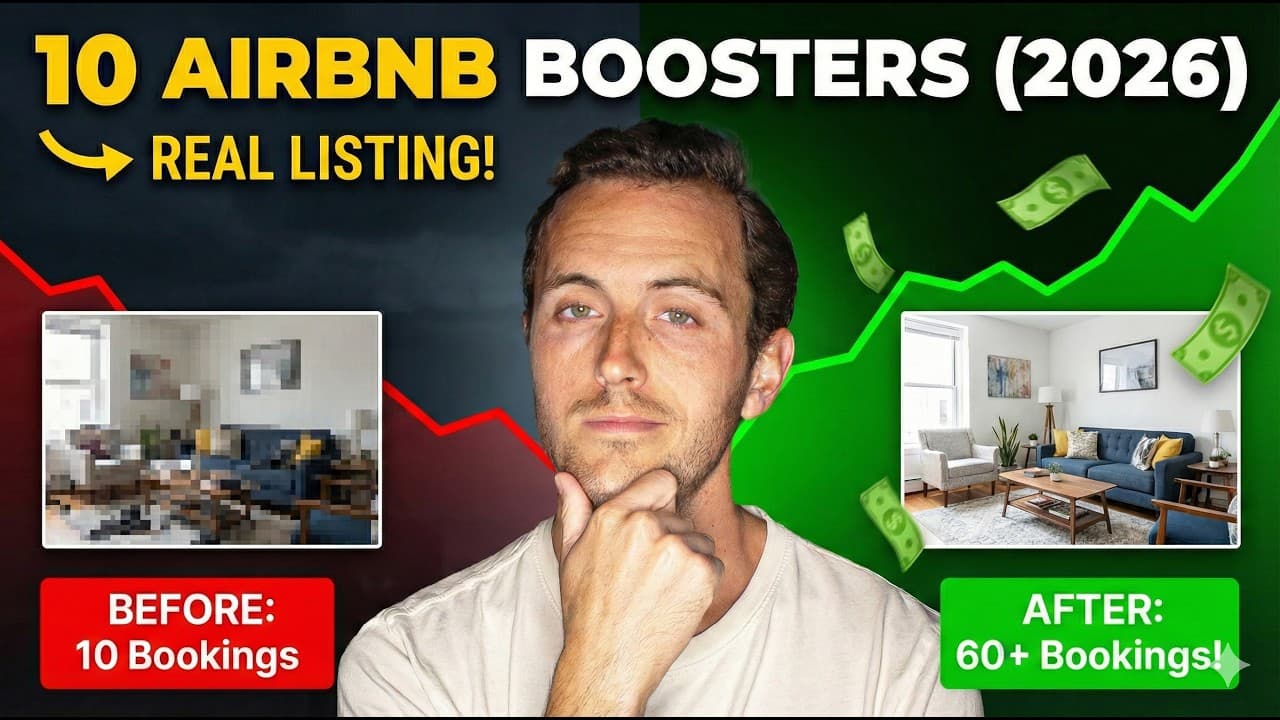
10 ESSENTIAL Steps to Improve Your Airbnb in 2026 (Real Listing Example!)
Most Airbnb listings lose bookings to the same fixable mistakes: bad photos, weak headlines, incomplete amenities, and missed seasonal opportunities. Here are 10 proven strategies to turn any underperforming listing into a consistent booking machine in 2026.
January 1, 2026 · 11 min read

10 Game-Changing Hacks to Improve Your Airbnb
What does it really mean to run a successful Airbnb in 2026? These 10 practical hacks — including a $15 sensor that prevented $44,000 in property damage — show exactly what separates top hosts from average ones.
January 16, 2025 · 9 min read

10 Tips to Get More Views on Airbnb
More views mean more bookings, and more bookings mean more revenue. This guide breaks down 10 actionable Airbnb listing optimization strategies that help hosts climb the search rankings and fill their calendars in 2026.
March 26, 2024 · 14 min read