The Secret to Getting Property Owners to Say Yes
By James Svetec · March 16, 2021 · 7 min read
Part of our Airbnb Hosting 101 guide →
Key Takeaways
- Understanding a property owner's specific pain points before pitching is the foundation of an irresistible co-hosting offer.
- Most co-hosts pitch backwards — they build a service first, then look for clients. Reversing that process dramatically improves conversion.
- Facebook groups for Airbnb hosts, real estate investors, and vacation homeowners are goldmines for market research.
- A well-crafted offer generates referrals organically — BNB Mastery reports one to two new clients for every client onboarded within six to twelve months.
- Delivering on exactly what a property owner needs (not generic features) is what creates long-term client retention.
Getting property owners to say yes to co-hosting is one of the biggest hurdles in building an Airbnb management business — and this blog video breaks down exactly why most people struggle with it and what actually works in 2026. The answer isn't a clever sales script or negotiation trick. It's something more fundamental.
Watch the full video above or keep reading for the complete breakdown.
Why Most Co-Hosting Pitches Fall Flat
Most people trying to break into Airbnb co-hosting make the same mistake: they build a service offering first, then go looking for people who might want it. That approach is essentially pinning the tail on the donkey blindfolded. You end up with a generic pitch that lands flat because it isn't speaking to anyone's actual problems.
Property owners — whether they're vacation homeowners, real estate investors, or accidental landlords — aren't looking for a list of features. They're looking for someone who understands their specific frustrations and can solve them. If your pitch doesn't address those frustrations directly, it's easy to dismiss.
This is why conversion rates stay low for so many new co-hosts, even when they're genuinely capable of doing the job well. The issue usually isn't competence — it's positioning. And positioning starts with research, not assumptions.
For a broader look at how co-hosting compares to other Airbnb business models, the Airbnb hosting vs. co-hosting vs. investing breakdown is a useful starting point.
The Real Secret: Build the Offer Around the Problem
The core insight from this blog video is deceptively simple: start with the problem, then craft the solution. Don't do it in reverse.
When a co-host takes time to understand exactly what a property owner is struggling with — whether that's dealing with guest communication at all hours, inconsistent cleaning, poor pricing, or just not knowing how to get started on Airbnb — the resulting offer can speak directly to those pain points. At that point, saying no becomes the illogical choice.
This isn't manipulation. It's good business. An offer built around someone's real needs will convert better, retain clients longer, and generate more referrals than any generic pitch ever could. The property owner feels understood, not sold to.
Pro tip: Before your first co-hosting conversation with a potential client, write down three to five questions designed to uncover their frustrations — not to pitch. Listen more than you talk. What you learn in that conversation should shape your entire offer.
Hosts who want a structured framework for building this kind of client-acquisition approach should explore BNB Mastery's Co-Hosting Program, which dedicates its entire first week to crafting an offer that property owners actually want to say yes to.
Where to Find Property Owners and Understand Their Pain Points
So where do you actually go to understand what property owners are struggling with? According to BNB Mastery founder James Svetec, Facebook groups are the most effective starting point for this kind of market research.
There are active communities across Airbnb hosting, short-term rental investing, vacation homeownership, and local real estate investing — all of which contain potential co-hosting clients. The strategy isn't to join these groups and immediately pitch your services. That approach gets you ignored or removed.
Instead, the goal is to observe and engage. Read what people are complaining about. Notice what questions come up repeatedly. Reach out to individuals and ask questions — not to sell, but to genuinely understand their situation. This kind of primary research is invaluable because it gives you real language, real frustrations, and real priorities directly from your target market.
- Airbnb host groups: Look for hosts who are overwhelmed or struggling with operations
- Real estate investor groups: Find investors who want STR income but don't want to manage properties themselves
- Vacation homeowner groups: Identify owners who rent occasionally and want to increase revenue without added stress
- Local community groups: Hyperlocal targeting often converts better than broad outreach
The goal is to accumulate enough conversations that patterns emerge. Once you hear the same frustrations five or ten times, you know what your offer needs to address.
For co-hosts who are also curious about building out their service to include revenue optimization, the post on maximizing Airbnb properties during peak seasons covers tactics that add real value to clients.
Free Tool
Grab the Airbnb Nightly Pricing Tool
Grab the exact spreadsheet James uses to set profitable nightly rates — plus a step-by-step setup cheatsheet.
How to Craft an Offer Property Owners Can't Refuse
Once the research is done, building the offer becomes much more straightforward. The offer should directly address the top two or three pain points that came up most frequently in conversations. Everything else is secondary.
Here's what this looks like in practice:
- Name the problem clearly. When you meet with a potential client, lead with what you've heard from other property owners in similar situations. "A lot of owners I talk to tell me that guest communication is the most exhausting part — is that true for you?" This builds immediate rapport and demonstrates that you understand their world.
- Present a tailored solution. Instead of listing all the things you do as a co-host, focus specifically on how your service eliminates the problems they've confirmed. Be concrete — explain exactly what happens and what that means for them.
- Remove the risk. New co-hosts often worry about credentials or experience. The antidote is making the offer feel low-risk. A trial period, a performance-based fee structure, or a clear satisfaction policy can reduce hesitation significantly.
- Make the value tangible. Where possible, give them a number. If you can show that your approach typically increases occupancy or nightly rate compared to what they're doing now, that's far more persuasive than a promise of "great service."
The goal is an offer where the only logical answer is yes. Not because it's manipulative, but because it's genuinely the right move for the property owner.
Connecting with others who are building co-hosting businesses — and sharing what's working — is one of the fastest ways to refine this kind of pitch. The BNB Tribe community brings together hosts and co-hosts at every stage, making it easier to iterate on what works in different markets.
The Referral Snowball: How One Client Becomes Many
Here's where the strategy pays compound dividends. When a co-host's offer is built around a property owner's real needs — and the service consistently delivers on those needs — something powerful happens: referrals become automatic.
BNB Mastery reports that when this approach is implemented correctly, co-hosts can expect to generate one to two additional clients from every client they onboard, typically within six to twelve months. That means a portfolio that grows without constant outreach.
Think about what that compounding effect looks like over time:
- Client 1 refers two new clients within 12 months
- Each of those two clients refers one to two more
- Within two to three years, a co-host who started with one property can be managing eight, ten, or more — largely through word of mouth
But this only works if the foundation is right. Referrals happen because a property owner is genuinely happy — not just satisfied, but impressed enough to stake their reputation on recommending someone to a friend. That level of satisfaction doesn't come from average service. It comes from solving exactly the right problems.
That's why the market research step matters so much. It's not just about getting the first client. It's about building a business that grows on autopilot over time.
For hosts curious about how STR management compares to investing as a path to income, the Airbnb management vs. investing comparison lays out both models clearly.
Turning This Strategy Into a Real Business
The blog video above covers what is arguably the most important skill in co-hosting: making an offer that property owners want to accept. In 2026, with more people exploring STR management as an income stream, the co-hosts who stand out are the ones who lead with genuine understanding rather than generic pitches.
The formula isn't complicated. Research first, build the offer second, then put it in front of the people you know have the exact problem you're solving. Done well, this approach creates a self-sustaining business — one where referrals do the heavy lifting after the initial client is onboarded.
For anyone who wants to go deeper on the fundamentals of strong Airbnb hosting that make co-hosting clients stick around, that's worth reading alongside this video's core lesson on offer construction.
"Frequently Asked Questions
How do I get property owners to let me manage their Airbnb?
The most effective approach is to understand their specific pain points before pitching your services. Research what property owners in your target niche are struggling with — guest communication, pricing, cleaning coordination — then build an offer that directly solves those problems. A tailored offer converts far better than a generic service pitch.
What is co-hosting on Airbnb and how does it work in 2026?
Co-hosting means managing a property on Airbnb or other short-term rental platforms on behalf of the property owner, typically in exchange for a percentage of revenue. The co-host handles operations — guest communication, pricing, cleaning coordination, and more — while the owner keeps the primary income. In 2026, it remains one of the most accessible ways to earn income from Airbnb without owning property.
How do I find property owners who need an Airbnb manager?
Facebook groups focused on Airbnb hosting, vacation homeownership, and real estate investing are a proven starting point. Join these communities, engage genuinely, and reach out to members who fit your ideal client profile. The goal initially is to ask questions and understand their challenges — not to pitch your services.
How many clients can I expect from referrals as a co-host?
When co-hosts deliver service built around their clients' actual needs, BNB Mastery reports generating one to two additional clients from referrals for every client onboarded — typically within six to twelve months. This creates a compounding growth effect where the business expands without constant outreach.
Is Airbnb co-hosting still a viable business model in 2026?
Yes. Co-hosting remains a strong business model in 2026 because property owners continue to want the income from short-term rentals without the operational burden of running them. Co-hosts who position their services around specific owner pain points — rather than generic property management — consistently find willing clients across most markets.
Building a co-hosting business that grows through referrals starts with landing that first client the right way. BNB Mastery's Co-Hosting Program walks through the entire process — from market research and offer crafting to onboarding clients and scaling to a full portfolio. If you want to shortcut the trial and error, that's where to start.
Free Tool
Grab the Airbnb Nightly Pricing Tool
Grab the exact spreadsheet James uses to set profitable nightly rates — plus a step-by-step setup cheatsheet.
Ready to get started with Airbnb?
Join 240+ members in BNB Tribe — the community James built for hosts and investors who want real results.
Join BNB TribeMore Articles
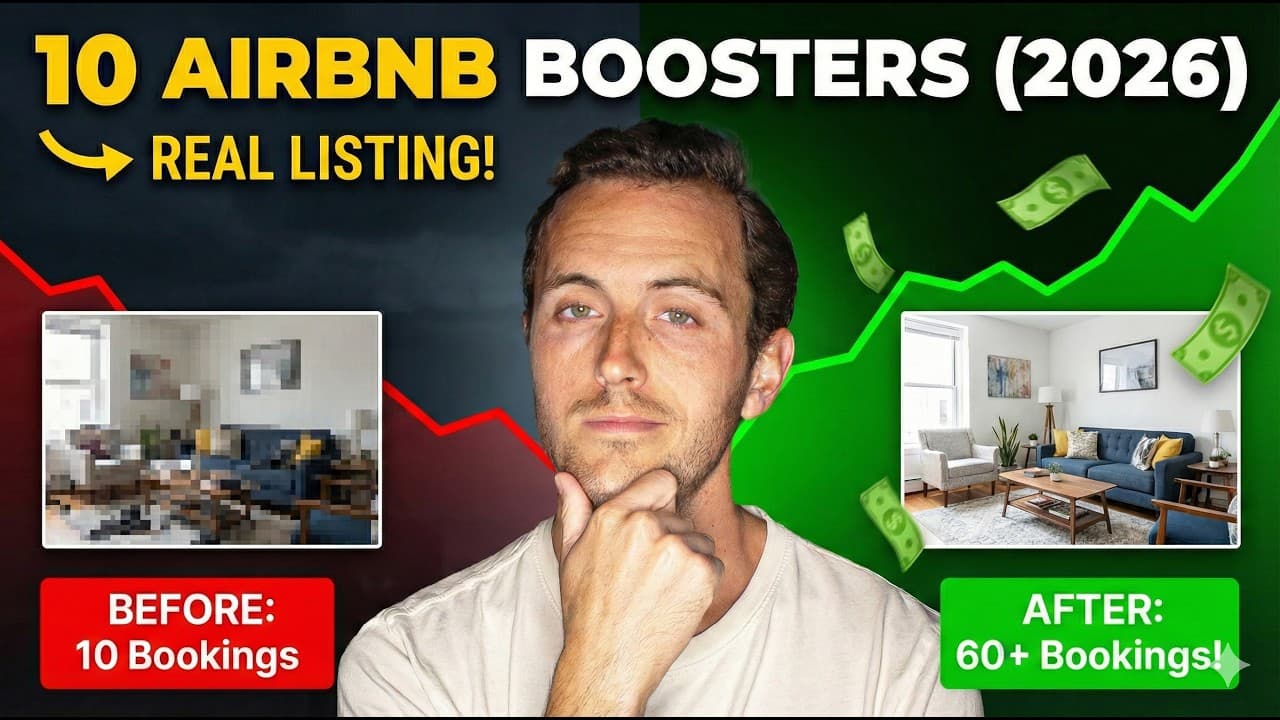
10 ESSENTIAL Steps to Improve Your Airbnb in 2026 (Real Listing Example!)
Most Airbnb listings lose bookings to the same fixable mistakes: bad photos, weak headlines, incomplete amenities, and missed seasonal opportunities. Here are 10 proven strategies to turn any underperforming listing into a consistent booking machine in 2026.
January 1, 2026 · 11 min read

10 Game-Changing Hacks to Improve Your Airbnb
What does it really mean to run a successful Airbnb in 2026? These 10 practical hacks — including a $15 sensor that prevented $44,000 in property damage — show exactly what separates top hosts from average ones.
January 16, 2025 · 9 min read

10 Tips to Get More Views on Airbnb
More views mean more bookings, and more bookings mean more revenue. This guide breaks down 10 actionable Airbnb listing optimization strategies that help hosts climb the search rankings and fill their calendars in 2026.
March 26, 2024 · 14 min read